
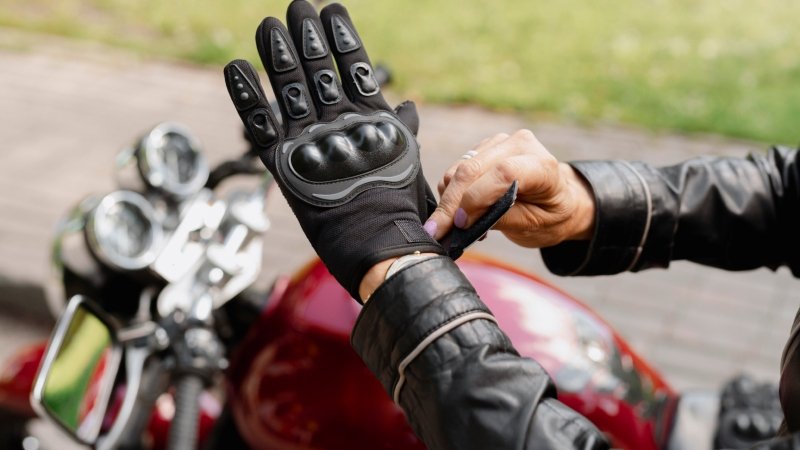
Leather motorcycle gloves usually offer a classic riding feel, strong grip, durability, and a structured fit, while textile gloves often provide lighter weight, airflow, flexibility, and weather-friendly features. The better choice depends on your riding season, comfort needs, protection preference, grip style, and how they typically offer a classic riding feel, a strong grip, durability, and a structured fit, while textile gloves often provide a lighter weight, improved airflow, flexibility, and weather-resistant properties you want.
Your Gloves Should Match the Way Your Hands Ride
Gloves are one of those gear pieces riders notice immediately when something feels wrong. If the palm slips, the fingers feel stiff, or the glove traps too much heat, the whole ride feels less comfortable. Good gloves should feel natural on the throttle, secure around the wrist, and flexible enough for brake and clutch control.
Leather and textile gloves both have a place in motorcycle gear. One is not automatically better for every rider. Leather often feels more traditional and road-focused, while textile can feel lighter and more adaptable. The right choice depends on how you ride, when you ride, and what kind of hand feel you prefer.
What Makes Leather Gloves Different?
Leather gloves are popular because they have a natural grip, a structured feel, and a classic motorcycle style. Many riders like the way leather molds slightly with use and becomes more comfortable over time.
Leather can feel secure on the handlebars because it gives a connected feel between the hand and controls. It also has a timeless look that pairs well with leather jackets, vests, boots, and cruiser gear.
Riders often choose leather gloves for:
- Classic biker style
- Strong palm feel
- Durable construction
- Comfortable break-in over time
- Secure grip
- Road-ready structure
- Cooler-weather or all-season riding, depending on the lining
A good leather glove should feel snug but not painful. It should allow finger movement while staying secure around the palm and wrist.
What Makes Textile Gloves Different?
Textile gloves are often chosen for flexibility, airflow, and lighter comfort. They may use synthetic fabrics, mesh panels, stretch materials, or mixed construction to improve movement and breathability.
Textile gloves can be especially useful for warm-weather riding or riders who want less break-in time. They may feel easier to wear right away and can offer practical features like ventilation zones, water-resistant panels, or touchscreen fingertips, depending on the design.
Riders often choose textile gloves for:
- Lightweight feel
- Better airflow
- Flexible movement
- Warm-weather comfort
- Faster break-in
- Mixed-weather features
- Sport, commuter, or casual riding
The main thing to check is construction quality. A lightweight glove should still feel secure and riding-focused, not like a casual fashion glove.
Grip and Handlebar Feel
Grip is one of the biggest differences riders notice.
Leather usually gives a strong, natural grip feel. It can feel stable around the palm and fingers, especially after the glove breaks in. Many riders like leather because it provides a more connected feel on the throttle, brake, and clutch.
Textile gloves can also grip well, especially if they include reinforced palm panels or grip-focused materials. However, some textile gloves may feel less natural than leather if the palm material is too slick or too padded.
When checking grip, think about:
- Throttle feel
- Clutch control
- Brake control
- Palm texture
- Finger flexibility
- Grip in warm weather
- Grip in cooler or wet conditions
A glove should never feel slippery or bulky around the controls.
Comfort During Long Rides
Comfort depends on fit, lining, seams, flexibility, and weather. Leather and textile gloves feel different over time.
Leather may feel stiff at first, but quality leather often softens with use. Once broken in, it can feel very comfortable and shaped to the rider’s hand. The downside is that leather may feel warmer in hot weather unless perforated or lightly lined.
Textile gloves often feel comfortable right away. They can be lighter and more breathable, which helps during summer or city riding. The downside is that some textile gloves may not develop the same shaped-to-hand feel as leather over time.
For long rides, check for:
- Seam comfort
- Palm bunching
- Finger pressure
- Wrist closure
- Lining feel
- Knuckle flexibility
- Heat buildup
- Control sensitivity
Small discomforts can become annoying after an hour on the road.
Protection Differences
Protection depends more on design and construction than material alone. Leather has a strong reputation because it can provide durable coverage and abrasion resistance. Textile gloves can also be protective if they use reinforced panels, padding, and strong stitching.
A protective glove may include:
- Reinforced palm
- Double stitching
- Knuckle padding
- Finger protection
- Wrist closure
- Abrasion-resistant panels
- Extra layers at impact points
- Secure fit
Leather gloves often feel more substantial, especially around the palm. Textile gloves may use added reinforcements in key areas to improve protection while keeping the weight lower.
A rider choosing leather motorcycle gloves should still check stitching, palm reinforcement, wrist closure, and finger protection instead of assuming every leather glove is automatically road-ready.
Airflow and Hot Weather
Textile gloves often have the advantage in hot weather. Mesh panels and breathable fabrics can help reduce sweat and improve airflow.
Leather gloves can also work in summer if they are perforated, lightweight, or designed with airflow features. However, solid leather gloves may feel warmer during hot rides, especially in stop-and-go traffic.
For summer riding, look for:
- Breathable panels
- Perforated leather
- Mesh sections
- Lightweight lining
- Flexible fingers
- Short cuff design
- Secure wrist closure
If your hands get sweaty quickly, airflow should be a major factor in your choice.
Cold Weather and Wind Control
Leather often performs well in cooler weather because it can block wind better than highly breathable mesh or lightweight textiles. Lined leather gloves can feel comfortable during fall, early spring, or mild winter rides.
Textile gloves can also be good in cold weather if they are insulated, wind-resistant, or designed for winter riding. Some textile gloves may even handle wet or changing weather better, depending on the materials used.
For colder conditions, check for:
- Lining
- Wind resistance
- Longer cuff
- Secure wrist closure
- Finger warmth
- Reduced airflow
- Jacket sleeve compatibility
Cold hands can affect control, so winter glove choice should not be based on style alone.
Wet Weather Use
Neither leather nor textile should be judged without looking at weather-specific features. Regular leather can absorb moisture and may need proper care after getting wet. Some textile gloves are built with water-resistant or waterproof layers, but not all textile gloves handle rain well.
If you ride in the rain often, check whether the gloves are designed for wet conditions. Do not assume material alone tells the full story.
For wet-weather riding, look for:
- Water-resistant or waterproof construction
- Secure cuff closure
- Grip when damp
- Fast-drying comfort
- Lining that does not bunch
- Palm control in wet conditions
After wet rides, leather gloves should be dried naturally and conditioned when needed. Avoid direct heat because it can damage the leather.
Durability and Long-Term Wear
Leather gloves often have strong long-term durability when properly cared for. They can age well, soften with use, and develop character over time. The tradeoff is that leather needs more maintenance than many textile materials.
Textile gloves may require less leather-style care, but durability depends heavily on fabric quality, stitching, palm reinforcement, and how often they are used. Lightweight textile gloves may wear faster if used heavily.
For durability, check:
- Palm material
- Stitching quality
- Finger seams
- Wrist closure strength
- Reinforced areas
- Lining quality
- Hardware or zipper strength
- Material thickness
The best glove is the one built well, not just the one made from a certain material.
Fit and Break-In
Leather gloves usually need a short break-in period. They may feel snug at first, then soften slightly with wear. They should not feel painfully tight, though. If circulation is restricted, the gloves are too small.
Textile gloves usually feel closer to their final fit right away. They may not stretch or mold as much as leather, so sizing should feel correct from the start.
A proper glove fit should:
- Feel snug around the palm
- Allow fingers to bend naturally
- Avoid extra fingertip space
- Stay secure at the wrist
- Avoid palm bunching
- Not cut off circulation
- Allow easy use of controls
Try closing your fist, reaching for imaginary levers, and moving your wrist before choosing.
Style and Riding Identity
Leather gloves have a classic look that works especially well with cruiser, biker, vintage, and leather-heavy outfits. They pair naturally with leather jackets, vests, chaps, and boots.
Textile gloves often look more modern, sporty, technical, or casual. They pair well with textile jackets, mesh gear, touring outfits, and commuter setups.
Choose leather if you prefer classic road style. Choose textile if you prefer lighter function, modern gear, or warm-weather comfort.
Style should matter, but it should not come before grip, fit, and control.
Which Gloves Are Better for Summer?
For hot weather, textile or mesh gloves are often more comfortable because they allow better airflow. They can help reduce sweaty palms and feel lighter during city rides or summer events.
Perforated leather gloves can also work well if you want the feel of leather with better breathability. They are a good middle ground for riders who like leather but ride in warmer climates.
Choose summer gloves based on airflow, palm grip, flexibility, and secure closure.
Which Gloves Are Better for Winter?
For cooler weather, lined leather gloves or insulated textile gloves can both work well. Leather may provide a stronger wind-blocking feel, while textile winter gloves may offer more weather-specific features.
The best winter glove should keep hands warm without becoming too bulky. If the glove limits throttle or brake control, it is not a good fit, no matter how warm it feels.
Choose winter gloves based on warmth, wind control, finger movement, and cuff coverage.
Which Gloves Are Better for Beginners?
Beginner riders should choose gloves that feel comfortable, secure, and easy to control. The glove should not be too bulky, too loose, or too stiff.
Both leather and textile can work for beginners. Leather may be better for riders who want classic durability and grip. Textile may be better for riders who want lightweight comfort and easier movement.
Beginners should focus on:
- Secure fit
- Good palm grip
- Wrist closure
- Finger movement
- Seasonal comfort
- Basic hand protection
- Easy control feel
A beginner glove should make riding feel more confident, not more complicated.
Common Mistakes Riders Should Avoid
Many riders choose gloves too quickly and regret it later.
Avoid these mistakes:
- Buying only for style
- Ignoring seasonal use
- Choosing gloves that are too loose
- Choosing gloves that are too tight
- Ignoring palm reinforcement
- Forgetting wrist closure
- Choosing bulky gloves that hinder control
- Assuming all leather gloves are the same
- Assuming all textile gloves are lightweight and breathable
- Not checking grip on controls
Hands do too much work on a motorcycle to settle for poor gloves.
How to Choose Between Leather and Textile
The best choice depends on your riding priorities.
Choose leather if you want:
- Classic biker style
- Strong road feel
- Durable palm structure
- Natural grip
- Long-term break-in comfort
- Better match with leather gear
Choose a textile if you want:
- Lightweight feel
- Better airflow
- More flexibility
- Faster break-in
- Warm-weather comfort
- Modern or technical features
Many riders eventually own both. Leather works well for classic rides and cooler days, while textile or mesh can be better for hot weather and casual commuting.
FAQs
Are leather gloves better than textile gloves for motorcycle riding?
Leather gloves are often preferred for classic style, grip, and durable structure, but textile gloves can be better for airflow, flexibility, and warm-weather comfort. The better choice depends on riding conditions.
Are textile motorcycle gloves protective?
Textile gloves can be protective if they include reinforced palms, strong stitching, knuckle protection, secure wrist closure, and abrasion-resistant materials. Quality matters more than material alone.
Do leather motorcycle gloves stretch?
Leather gloves may soften and shape slightly with use, but they should not be painfully tight when new. Choose a snug fit that still allows finger movement and circulation.
Are leather gloves too hot for summer riding?
Solid leather gloves can feel warm in summer, but perforated or lightweight leather gloves can work well. For maximum airflow, mesh or textile gloves may feel cooler.
Which gloves are best for cold weather?
Lined leather gloves or insulated textile gloves can both work for cold weather. Look for wind resistance, warm lining, secure wrist closure, and enough finger movement.
Should motorcycle gloves fit tight or loose?
They should fit snugly without restricting circulation. Loose gloves can shift while riding, while overly tight gloves can cause discomfort or numbness.
Can beginners use leather motorcycle gloves?
Yes, beginners can use leather gloves if they fit well, allow easy control, and feel comfortable. The most important factors are grip, fit, wrist security, and seasonal comfort.
Conclusion
Leather and textile gloves both have real advantages. Leather gives riders classic style, natural grip, and durable structure, while textile offers lighter comfort, airflow, and flexible seasonal options. The best choice depends on your weather, riding style, hand comfort, and control needs. Daniel Smart MFG offers leather gloves, men’s riding gloves, jackets, boots, helmets, chaps, and protective gear to help riders build a setup that feels comfortable and confident on the road.