
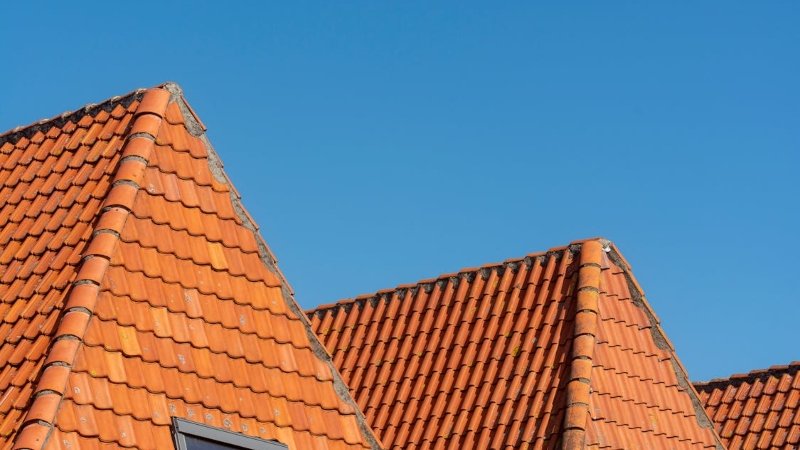
Have you ever noticed how a roof only gets attention when something goes wrong? Most homeowners barely think about it until rain starts dripping into the living room or shingles scatter across the yard after a storm. Yet roofs handle constant punishment from the weather every single day. Heat, wind, snow, humidity, and sudden temperature swings all wear roofing materials down over time. As climate patterns become more unpredictable across the United States, residential roofs are facing conditions they were never designed to handle, turning what used to be routine maintenance into a much bigger conversation about durability, safety, and cost.
Heat Waves Are Testing Modern Roofs
Summer temperatures across the country keep breaking records, and roofs absorb the worst of it. Asphalt shingles can reach temperatures above 150 degrees during a heat wave, especially in southern states where direct sunlight feels relentless. That constant exposure dries roofing materials out, causing cracking, curling, and premature aging. A roof that should last 25 years may struggle to survive 15 years when exposed to extreme heat year after year.
The irony is that many homeowners now spend thousands on energy-efficient appliances while ignoring the giant heat magnet sitting above their heads. Dark roofing materials trap more heat, which forces air conditioners to work harder and raises electricity bills. Reflective roofing products and improved attic ventilation can lower indoor temperatures significantly, helping both the roof and the homeowner survive another brutal summer.
Heavy Rainfall Is Becoming More Aggressive
Storm systems today often dump more rain in shorter periods than they did decades ago. Neighborhood drainage systems struggle to keep up, and roofs become the first line of defense against water intrusion. Even a small weak point around flashing, vents, or chimneys can allow moisture to seep into insulation and drywall. Experienced local roofers often mention that leaks rarely start with dramatic holes because they usually begin with tiny failures homeowners never notice.
What makes this situation frustrating is how slowly water damage develops. A family might blame a mysterious ceiling stain on plumbing while rainwater quietly travels through attic spaces for months. Regular roof inspections after major storms help catch missing shingles, clogged gutters, and damaged seals before repairs become expensive. In areas with frequent downpours, wider gutters and stronger underlayment materials provide extra protection against water buildup.
Wind Damage Is More Serious Than People Realize
Strong winds do not need hurricane status to damage a roof. Gusts above 45 miles per hour can loosen shingles, expose nails, and weaken roof edges. Once wind gets underneath roofing materials, it creates pressure that lifts sections apart like peeling back the lid of a sardine can. That image sounds ridiculous until you see shingles scattered across a driveway after an overnight storm.
Recent tornado outbreaks and severe thunderstorm seasons across the Midwest and South have increased awareness about wind-resistant roofing systems. Many insurance companies now encourage impact-resistant shingles because they hold up better during storms. Securing flashing properly and reinforcing roof decking can reduce the chance of catastrophic damage. Trees near the home should also be trimmed regularly because falling limbs remain one of the most common causes of emergency roof repairs.
Snow and Ice Create Hidden Structural Stress
Winter weather may look peaceful from inside a warm house, but snow places enormous weight on a roof. Wet snow is especially dangerous because it becomes much heavier than dry powder. Older homes with aging structural supports are more vulnerable to sagging and stress fractures during prolonged snowstorms.
Ice dams create another major issue in colder climates. Heat escaping through poorly insulated attics melts snow unevenly, allowing water to refreeze near the roof edges. That trapped ice forces water underneath shingles, where it can damage insulation, ceilings, and wooden framing. Better attic insulation and ventilation help maintain even roof temperatures, reducing the chance of ice dam formation during freezing conditions.
Humidity Quietly Weakens Roofing Systems
Humidity rarely receives the same attention as storms or snow, yet it slowly damages roofing materials from the inside out. Moisture trapped in attic spaces encourages mold growth, wood rot, and insulation deterioration. In coastal states and humid southern regions, this problem becomes even worse because roofs rarely get a chance to dry completely.
The challenge is that humidity damage often stays invisible until major repairs are needed. Homeowners may notice peeling paint or musty odors long before realizing the roof ventilation system is failing. Ridge vents, soffit vents, and attic fans improve airflow and reduce trapped moisture. Roofing systems need to breathe properly, especially in climates where warm air and heavy humidity dominate most of the year.
Hailstorms Are Becoming Financial Disasters
Hailstorms now cause billions of dollars in property damage annually across the United States. A single storm can leave hundreds of homes with cracked shingles, dented flashing, and compromised waterproof barriers. The frustrating part is that hail damage is not always obvious from the ground. Roofs can look perfectly fine while hidden fractures slowly weaken the materials.
Many homeowners delay inspections because they assume damage would be obvious if it existed. Unfortunately, roofing problems do not operate with that kind of honesty. Small hail impacts shorten roof lifespan and increase the likelihood of leaks during future storms. After a hailstorm, professional inspections help identify subtle damage before the next season arrives with another round of severe weather.
Sudden Temperature Swings Accelerate Wear
One strange feature of modern weather patterns is how quickly temperatures can change. Some states experience freezing mornings followed by warm afternoons on the same day. Roofing materials expand and contract constantly under those conditions, weakening seals and creating cracks over time.
Metal flashing and asphalt shingles respond differently to temperature changes, which creates stress around joints and roof penetrations. Homeowners often notice leaks after winter because repeated freezing and thawing have damaged vulnerable areas. Flexible roofing materials designed for climate adaptability tend to perform better in regions with dramatic seasonal swings. Maintenance matters even more in these environments because small issues grow quickly under constant thermal stress.
Weather conditions will continue to challenge residential roofs as climate trends shift across the country. Heat waves are intensifying, storms are becoming more unpredictable, and seasonal extremes are arriving with greater force. Roofs are no longer passive structures sitting quietly above our heads. They are active barriers protecting homes against increasingly aggressive environmental stress. Homeowners who understand how weather affects roofing performance can make smarter decisions, reduce long-term costs, and avoid the unpleasant surprise of discovering a leak during the worst possible storm.