
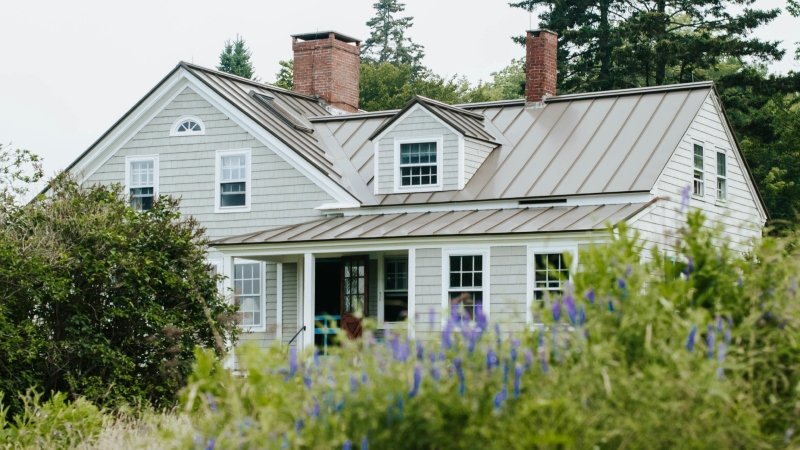
Fixer uppers offer a unique opportunity for buyers and investors to unlock hidden value, but turning that potential into profit requires a thoughtful and strategic approach. While these properties are often purchased at a lower price point, their true worth depends on the improvements made before reentering the market. Without the right upgrades, even a well-located property may struggle to attract serious buyers or command a competitive price.
The goal of renovating a fixer-upper is not to overbuild or overspend, but to focus on high-impact improvements that directly influence buyer perception and market value. By prioritizing essential upgrades that balance functionality, aesthetics, and long-term reliability, sellers can transform an outdated property into a desirable, move-in ready home. Understanding which improvements make the greatest difference is key to maximizing return on investment.
Strengthening the Home’s Structural Foundation
One of the most important steps in upgrading a fixer-upper is ensuring the structural integrity of the property. Buyers are naturally cautious when considering homes that have required extensive work, and visible or suspected structural issues can quickly deter interest.
Addressing foundation concerns, leveling uneven floors, and reinforcing load-bearing elements all contribute to a sense of stability and safety. These improvements may not always be immediately visible, but they play a critical role during inspections and heavily influence buyer confidence.
Taking the time to resolve structural problems early in the renovation process also prevents complications later on. It allows other upgrades to be completed more efficiently and ensures that the home meets modern standards. A solid foundation, both literally and figuratively, sets the stage for all other value-boosting improvements.
Updating Essential Exterior Features
The exterior of a fixer-upper often requires significant attention, as it is the first element buyers notice when evaluating a property. Improving the outer appearance not only enhances curb appeal but also signals that the home has been properly maintained.
One of the most impactful upgrades in this category is a roof replacement when the existing roof shows signs of wear or damage. A new roof immediately improves the overall look of the home while also addressing a major concern for potential buyers. This type of upgrade reassures buyers that they will not face costly repairs in the near future.
Additional exterior updates such as repairing siding, repainting surfaces, and maintaining gutters can further elevate the home’s presentation. A clean and well-maintained exterior encourages buyers to view the property more favorably from the start.
Modernizing Kitchens and Bathrooms
Kitchens and bathrooms play a central role in determining how buyers perceive value in a fixer-upper. These spaces are often outdated in older properties, making them prime targets for impactful upgrades.
Modernizing these areas does not always require a full renovation. Updating cabinetry, installing new countertops, and replacing outdated fixtures can significantly improve both functionality and appearance. Clean, contemporary finishes create an inviting environment that aligns with current buyer expectations.
In bathrooms, simple improvements such as new vanities, updated lighting, and refreshed tile work can make a noticeable difference. Buyers are more likely to feel comfortable purchasing a home when these essential spaces appear clean, updated, and ready for immediate use.
By focusing on visible and functional enhancements, sellers can increase perceived value without exceeding renovation budgets.
Improving Energy Efficiency and Comfort
Energy efficiency has become an increasingly important consideration for today’s buyers, making it a valuable area to address in fixer-upper renovations. Homes that offer improved efficiency not only reduce long-term operating costs but also appeal to environmentally conscious buyers.
Upgrades such as installing energy-efficient windows, improving insulation, and updating HVAC systems contribute to a more comfortable living environment. These improvements can also help regulate indoor temperatures and reduce energy consumption, thereby enhancing the home’s overall appeal.
Even smaller changes, such as sealing gaps or upgrading to efficient lighting, can demonstrate attention to detail. Buyers often view these features as added value, especially when evaluating multiple properties in a similar price range.
Focusing on efficiency enhances both the practicality and desirability of the home, making it more competitive in the market.
Enhancing Interior Layout and Flow
Many fixer-uppers suffer from outdated layouts that do not align with modern living preferences. Improving the flow and functionality of the interior can significantly increase the home’s value and appeal.
Opening up living spaces, reducing unnecessary barriers, and creating a more intuitive layout can make the home feel larger and more inviting. Buyers are often drawn to homes that offer flexibility and allow for easy movement between living areas.
Maximizing natural light is another important consideration. Removing heavy window treatments, enlarging openings, or strategically placing lighting can brighten spaces and create a more welcoming atmosphere. These changes help highlight the home’s potential and make it easier for buyers to envision themselves living in the space.
A well-designed interior layout adds both practical and emotional value, which can translate into stronger offers and faster sales.
Conclusion
Transforming a fixer-upper into a high-value property requires careful planning and strategic investment in the right areas. By strengthening the structure, updating critical exterior features, modernizing key interior spaces, improving energy efficiency, and optimizing layout, sellers can significantly enhance both the appeal and market value of the home.
These targeted improvements not only attract more buyers but also build confidence and reduce concerns about future repairs. With a focused approach, fixer-uppers can become highly desirable properties that stand out in competitive markets and deliver meaningful returns on investment.