
Most roofing problems start quietly with a ceiling stain, dripping water during storms, or damp spots near walls that people hope will somehow disappear. The trouble is that roof leaks rarely stay contained. Moisture slowly spreads through insulation, wood, and drywall long before the real structural damage becomes obvious.
In Kearney, changing weather patterns put steady pressure on residential roofs throughout the year. Heavy rain, wind, hail, humidity, and temperature swings all affect roofing materials over time, especially on older homes where small weaknesses may already exist beneath the surface. Homeowners in the area often deal with roofing wear that builds gradually rather than through slow damage matters because even minor roof failures can eventually compromise a dramatic event. That slow damage matters because even minor roof failures can eventually affect structural stability if repairs or replacements are delayed too long.
Roof Problems Start with Small Warning Signs
A lot of serious structural problems begin with issues homeowners almost ignore at first. Missing shingles, loose flashing around vents, clogged gutters, or small leaks inside attic spaces may not seem urgent during the early stages. The problem is that water rarely stays where it first enters. Moisture moves through insulation, wood framing, ceiling materials, and support structures quietly, often for months before visible interior damage appears.
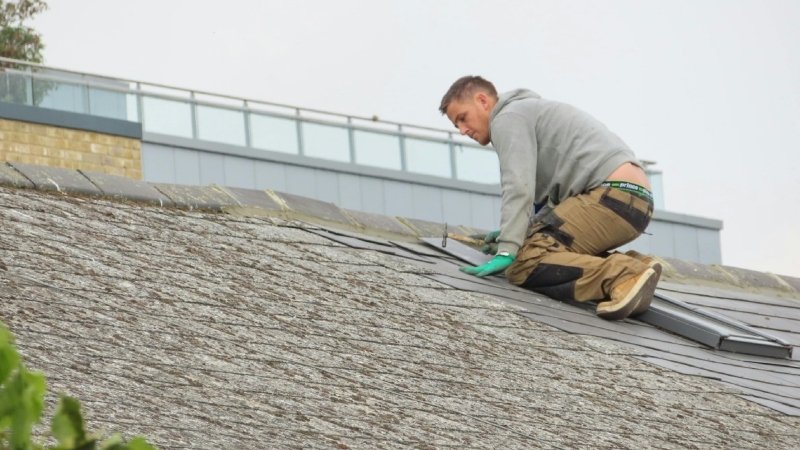
This is one reason many homeowners eventually begin researching roofing replacement options after repeated repairs stop solving the same recurring problems. They seek help from experienced Kearney roof replacement professionals to ensure the root of the problem is addressed and fixed. Professional roofing work becomes important because structural protection depends not only on shingles themselves, but also on ventilation, drainage systems, underlayment, and proper installation methods working together over time.
Water Damage Rarely Stays in One Place
Roof damage rarely stays limited to the roof itself. Once moisture slips through weak spots, it slowly spreads into insulation, wood framing, drywall, and sometimes even electrical areas hidden behind walls. The difficult part is that most of the serious damage develops quietly where homeowners cannot easily see it. A small leak can eventually lead to mold growth, weakened supports, or sagging ceilings long before the source gets fully noticed.
By the time stains or soft spots appear indoors, repairs are often far more expensive than the original roofing issue would have been. Professional inspections matter because experienced roofers usually spot early warning signs that homeowners miss from the ground or inside the attic.
Poor Installation Creates Problems Years Later
Roof problems are not always caused by storms or aging materials. In many homes, the real issue started years earlier during installation. Poor sealing around vents, uneven shingles, weak flashing, or bad ventilation setups can quietly shorten a roof’s lifespan long before visible damage appears. The frustrating part is that these mistakes often stay hidden for years. A roof may look completely normal from the outside while moisture slowly works its way underneath during heavy rain or freezing weather.
Ventilation also matters more than most homeowners realize because trapped heat and humidity inside attic spaces can weaken roofing materials over time and reduce insulation performance. Professional roofing companies usually pay close attention to airflow, drainage, and installation details because long-term roof performance depends on far more than how the shingles look on the day the work gets finished.
Delaying Repairs Usually Costs More Later
A lot of homeowners delay roofing work because the damage does not feel urgent yet. The leak seems manageable. The missing shingles appear minor. Maybe a tarp solved the issue temporarily after the last storm. Unfortunately, damage tends to grow quietly while people focus on other expenses or home projects.
Moisture creates compound problems over time. Rot spreads through the wood supports gradually. Insulation becomes less effective, which increases energy costs. Mold growth may begin affecting indoor air quality without becoming immediately visible.
Insurance complications can appear, too. Some policies may limit coverage if damage worsens because property owners leave known maintenance problems unresolved for extended periods. That situation catches many homeowners off guard during claims processes after storms or larger structural failures occur.
Professional roofing work often prevents those higher costs by addressing weak areas before they affect surrounding structures. Preventive repairs may not feel exciting compared to visible remodeling projects, though they usually protect the home’s long-term condition more effectively.
Roofing Quality Affects the Entire Home
People usually think about roofs only during storms or visible leaks, but roofing systems affect daily home performance constantly. Proper installation helps regulate indoor temperatures, manage moisture levels, and protect structural framing throughout changing seasons.
Updating roofing systems correctly often improves energy efficiency because ventilation and insulation performance work together more effectively afterward. Homes with aging or damaged roofs frequently experience uneven indoor temperatures, higher utility costs, or moisture buildup inside attic spaces without homeowners realizing the roof contributes to the problem. Exterior appearance matters too, obviously, but structural protection carries more long-term importance. Cosmetic issues can usually wait. Structural deterioration becomes harder and more expensive to reverse once framing, supports, or interior materials begin weakening from prolonged moisture exposure.
The roofing industry has also changed quite a bit over the last decade. Materials now vary more widely in durability, weather resistance, and energy performance than many homeowners realize. Better installation techniques and improved protective systems help modern roofs last longer when work is completed properly from the beginning.
Small Problems Usually Give Warnings First
Houses rarely move from perfectly stable to severely damaged overnight. Most structural problems build slowly through small warning signs that people either overlook or postpone dealing with. A loose shingle here. A damp attic corner there. Slight sagging near gutters that nobody notices until much later.
Professional roofing work helps prevent those issues from escalating because trained contractors evaluate the entire roofing system instead of focusing only on obvious surface damage. That broader approach matters since structural problems often begin underneath visible roofing materials where moisture, airflow, and support systems interact over time.
Homeowners do not need perfect roofs forever because no roofing system lasts permanently. Weather, aging, and normal wear eventually affect every structure. But properly installed and maintained roofing systems usually protect homes far longer and reduce the chance of serious structural damage developing quietly behind ceilings and walls, where repairs become far more complicated later on.