
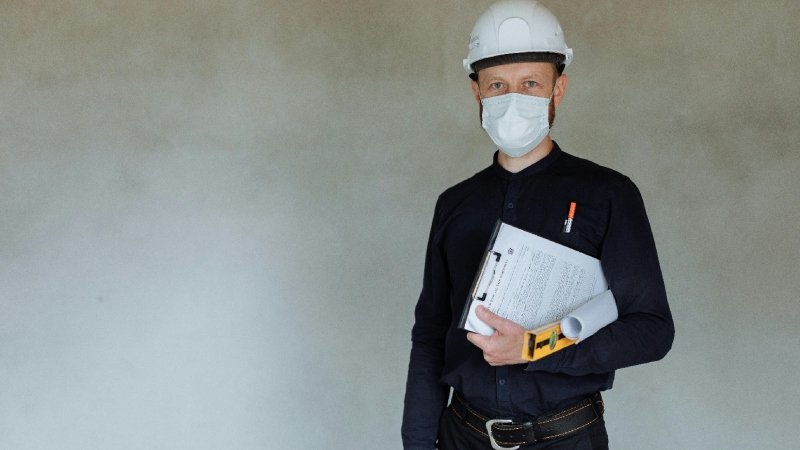
Most people at work have ignored a loose cable, blocked hallway, or overloaded socket at least once because the day already felt too busy to deal with it properly. That is usually how workplace risks build up.
That pressure became more noticeable across the UK as workplace compliance standards tightened and employers faced stronger expectations around staff wellbeing and operational safety. Businesses now deal with more documentation requirements, more formal risk assessments, and greater accountability when safety procedures fail. Smaller companies feel that pressure more because they often manage compliance with limited internal resources. Health and safety planning stopped being viewed as background paperwork and slowly became part of everyday business management instead.
Why Businesses Started Taking Safety Planning More Seriously
A lot of workplaces used to approach health and safety reactively. An issue appeared, somebody fixed it quickly, and then attention moved somewhere else. That approach worked for a while in some industries, at least on the surface. Modern workplaces have become more complicated. Offices use more technology, warehouses move faster, and employees work across hybrid schedules that change how spaces are monitored throughout the week.
Businesses also realised that workplace safety problems rarely stay isolated anymore. One incident can affect staffing, customer trust, insurance costs, and public reputation all at once. Employees talk openly online about working conditions now, which has changed how companies think about internal problems. Safety issues that once stayed behind closed doors can become public conversations very quickly.
That shift pushed many businesses toward external support because regulations, inspections, training records, and ongoing compliance checks require consistent attention over time. Smaller companies, especially, do not always have dedicated internal staff managing those responsibilities daily. Many employers now rely on professional UK H&S consultants to help create clearer systems and reduce confusion around workplace obligations. Most business owners are not trying to become safety experts themselves. They simply want practical processes that protect both employees and operations without creating constant disruption.
Small Workplace Risks Usually Build Quietly
One problem with workplace hazards is that they often become normal before anybody notices how serious they are. Staff walk around the same blocked storage areas every day. Temporary fixes stay in place longer than intended. Equipment gets used past recommended maintenance schedules because replacing it feels inconvenient during busy periods.
People adapt to familiar environments quickly. That is part of what makes safety planning difficult sometimes. Risks stop looking unusual when employees see them constantly. A loose floor panel or poorly stored equipment blends into the background after a while until somebody gets injured or an inspection highlights the issue directly.
Managers also deal with competing priorities every day. Staffing shortages, deadlines, customer complaints, and scheduling problems. Health and safety planning often gets pushed lower on the list because immediate operational issues feel more urgent at the time. Then months later, the business faces a much larger problem that could have been addressed earlier with consistent oversight. Contractors and inspectors see this pattern constantly. This also affects business growth in the long run. Most workplace safety failures do not start with reckless decisions. They build gradually through small compromises repeated over time.
Employees Expect Safer Workplaces Now
Workplace culture has changed over the last decade. Employees ask more questions about safety procedures, mental well-being, and employer responsibility than previous generations often did. That shift affected how businesses operate internally because staff expectations became harder to ignore.
Remote work and hybrid schedules influenced this as well. Employers became more aware of employee well-being generally after spending years discussing stress, burnout, and work-life balance more openly. Physical workplace safety became part of those larger conversations rather than existing as a separate issue handled only during inspections.
Younger employees, especially, tend to pay closer attention to workplace standards before accepting jobs. Businesses with poor safety reputations often struggle more with recruitment and retention because workers now compare employers differently than before. Salary still matters obviously, but so does organisational culture and whether employees feel respected while doing their jobs.
This does not mean workers expect perfect environments all the time. Most people understand that workplaces have risks. What employees notice more now is whether employers respond responsibly when concerns are raised. Ignoring problems or delaying action tends to damage trust faster than businesses sometimes realise.
Documentation Became Part of Everyday Operations
A lot of business owners underestimate how much documentation shapes modern safety compliance. Written policies alone are no longer enough in many situations. Employers are increasingly expected to demonstrate that procedures are actually followed consistently across the workplace.
That creates extra pressure for smaller businesses already balancing limited resources. Owners manage staffing, finances, scheduling, and customer issues daily. Records often become something employees plan to update later when things calm down a little. Modern health and safety planning now includes training records, maintenance logs, risk assessments, reporting procedures, emergency planning, and communication systems, all working together. Businesses are expected to show not only that policies exist, but that employees understand them clearly, too.
The paperwork side frustrates many employers, honestly. It can feel repetitive and time-consuming. Still, most companies eventually realise documentation protects the business when problems happen because unclear procedures create confusion very quickly during emergencies or investigations.
Prevention Costs Less Than Recovery
One reason businesses started investing more seriously in health and safety planning is that recovery after incidents became extremely expensive. Injuries interrupt operations. Insurance claims increase costs. Investigations consume time and resources. Staff morale drops. Customer confidence sometimes disappears faster than expected.
Smaller companies often feel these effects hardest because they operate with tighter margins and fewer backup resources available during disruptions. A large corporation might absorb temporary operational problems more easily. Smaller businesses usually cannot.
That changed how employers think about prevention. Safety planning stopped sounding like unnecessary bureaucracy and started looking more like operational protection. Business owners may still dislike inspections and compliance reviews, but many recognise that consistent prevention reduces larger problems later.
Technology has also changed workplace safety management. Digital reporting systems, automated reminders, monitoring tools, and online training platforms made compliance easier to track than before. Still, technology only helps when businesses treat safety planning seriously in daily practice instead of viewing it as occasional paperwork completed once a year.
That is probably why health and safety planning became more important across modern workplaces generally. Businesses are not only protecting employees physically anymore. They are protecting operations, reputation, recruitment, customer trust, and long-term stability all at once. Quietly, workplace safety became tied to almost every part of business management, whether companies expected it or not.